The Essential Guide to Surgical Forceps in Modern Medicine
Wiki Article
Surgical procedures demand precision, control, and reliability. At the heart of nearly every operation are instruments designed to extend a surgeon's capabilities, allowing for delicate manipulation and secure handling of tissues. Among the most fundamental of these tools are surgical forceps. Azeemed Instruments is dedicated to providing medical professionals with instruments of the highest quality, ensuring that every tool performs flawlessly when it matters most. Understanding the nuances of these instruments is crucial for achieving optimal surgical outcomes.
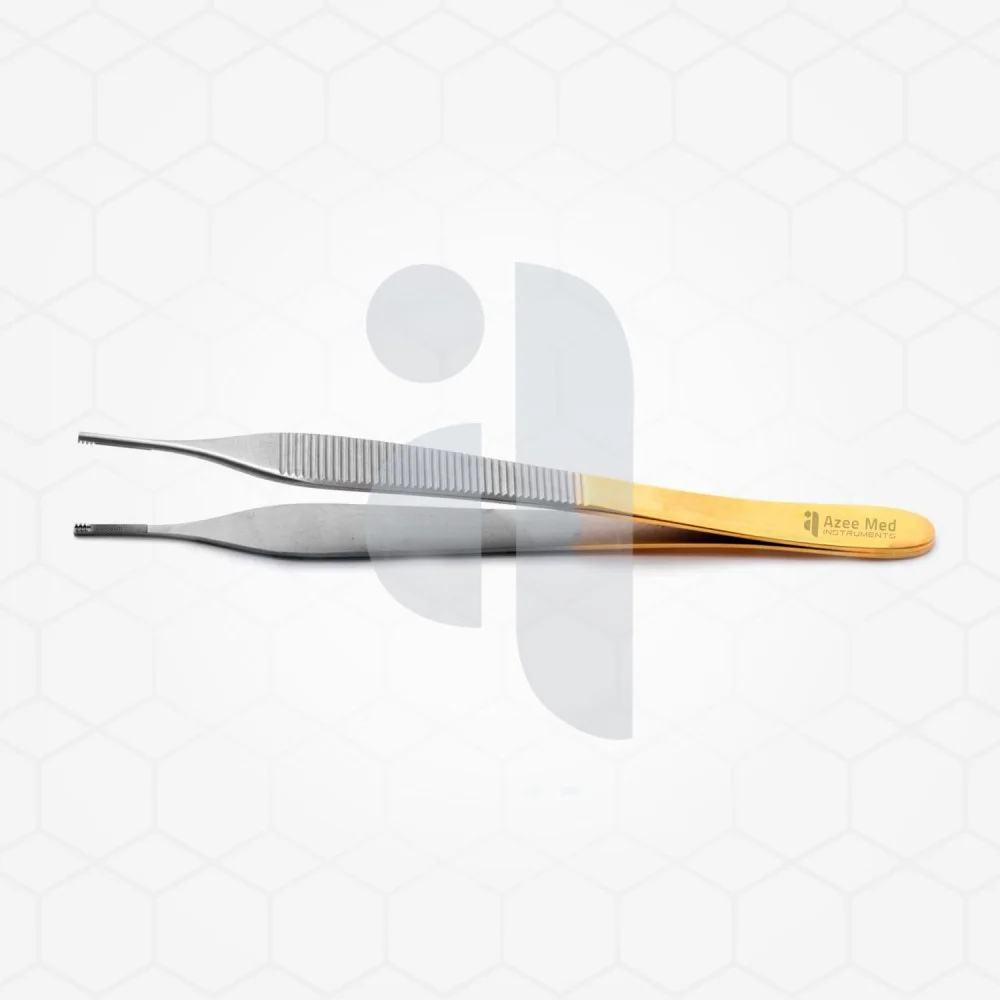
Understanding the Core Function of Surgical Forceps
At their most basic, surgical forceps are tools used to grasp, hold, or manipulate body tissue during a surgical procedure. They come in an extensive array of shapes and sizes, each meticulously designed for a specific function or type of tissue. The design typically features two handles connected by a pivot, leading to jaws or tips that perform the grasping action. The choice of forceps depends entirely on the task at hand, from holding a delicate blood vessel to securely clamping a section of tissue. This variety ensures that surgeons have the exact tool required for maximum precision and minimal tissue trauma. Azeemed Instruments recognizes this need for specificity and offers a comprehensive range of forceps to support diverse surgical specialties, empowering professionals to perform with confidence.
Specialized Tools like the Intestinal Clamp
Within the broad category of forceps, there are highly specialized instruments designed for particular procedures. A prime example is the intestinal clamp, a specific type of forceps engineered for gastrointestinal surgery. When a surgeon needs to temporarily occlude a section of the bowel, an intestinal clamp provides the necessary pressure without causing damage to the delicate intestinal walls. These clamps feature atraumatic serrations and a locking mechanism that allows the surgeon to apply consistent, controlled pressure. This specialization highlights the evolution of surgical forceps from general-purpose grippers to sophisticated instruments tailored for complex and sensitive operations. Providing such high-quality, specialized tools is a core part of our commitment to supporting the medical community.
Material and Design: The Hallmarks of Quality
The effectiveness of surgical forceps is directly linked to their material composition and design. Most high-grade surgical instruments are crafted from surgical stainless steel, an alloy known for its durability, corrosion resistance, and ability to withstand repeated sterilization cycles. The finish of the instrument, whether polished or matte, also plays a role in reducing glare under bright operating room lights. Furthermore, the ergonomics of the handle, the precision of the jaw alignment, and the reliability of the locking mechanism are all critical design elements. Azeemed Instruments ensures that every piece of equipment meets stringent quality control standards, from the raw materials to the final finishing touches, guaranteeing tools that professionals can depend on.
Proper Care and Sterilization for Longevity
Maintaining the integrity of surgical instruments is as important as selecting the right one for the job. Proper cleaning, disinfection, and sterilization are essential to prevent infection and ensure the longevity of the tools. After each use, instruments must be thoroughly cleaned to remove all biological debris before undergoing a rigorous sterilization process, typically involving steam autoclaving. Adhering to strict protocols for instrument care not only ensures patient safety but also preserves the fine craftsmanship and functionality of precision tools like surgical forceps. We believe that supplying durable, easily maintainable instruments contributes significantly to the efficiency and safety of any medical practice.
Conclusion
Surgical forceps are more than just simple tools; they are essential extensions of a surgeon's hands. Their design, specialization, and quality have a direct impact on the success of surgical interventions. From general-purpose tissue forceps to specialized instruments like the intestinal clamp, each tool plays a vital role in the operating room. Azeemed Instruments remains steadfast in its mission to equip medical professionals with superior surgical tools, fostering a standard of excellence in patient care and surgical practice.
Report this wiki page